
2025 Classen Wrap Up
Whirling through the year we never found time to reflect on what we were doing during the past months. It's time for a recollection.
A consequential shift to AI integration

2025 marked a deliberate shift in how our work gets done. We moved our focus toward integrating AI tools in a structured and incremental manner—not as a replacement for expertise, but to move time from repetitive tasks to client engagement, strategic thinking, and meaningful consultations.
As an example, for the review of a country's carbon market guidelines, a comprehensive evaluation roster with 94 criteria spanning legal frameworks, Article 6 compliance, institutional arrangements, integrity, enforcement, and procedural clarity was prepared. This roster was developed as an analytical tool that enables systematic assessment of guidelines. In parallel, we have been training our language model and developing its skills to support guidelines drafting and seamless updating upon clients feedback. The logic: to apply Classen's expertise in the most systematic and consistent manner, with constant reference to the guiding rules (CMA, international benchmarks).
The intent isn't to automate judgment or strategic insight — those remain fundamentally human. Rather, it's about creating capacity to focus on what matters: understanding client contexts, identifying strategic opportunities, and engaging in the substantive conversations that drive better outcomes.
But don't worry, we didn't spend the year speaking only to computers. Now might be the time to be grateful for all the clients and their exciting projects that kept bringing us back to the real world! Here's a wrap of what Classen has been up to in 2025:
Tactical support in MADD development, MOPA negotiations and complicated regulatory stuff
Nuts and bolts of the carbon markets: Strategic business models, robust methodologies and hedging risks imposed by regulation and counterparties.
Project development support continued for mitigation activities under the KliK Foundation. This involved a clean cooking programme in Senegal, and a solar heat for industrial applications programme in Thailand. We also continued our support to the Sustainable Artisanal Palm Oil Processing project led by Solidaridad West Africa in Ghana.
Support was also provided to a safe water programme in Malawi, including training and navigating Gold Standard requirements as well as the host country's authorization procedures.
Last but not least we continued to provide strategic and technical support to the realisation of the amazing Just Transition pilot of the Coal Fired Power Plant SLTEC in the Philippines.
Carbon Market Frameworks
Another reason why we value our work with project developers is because it allows us to always keep our policy work grounded in reality.
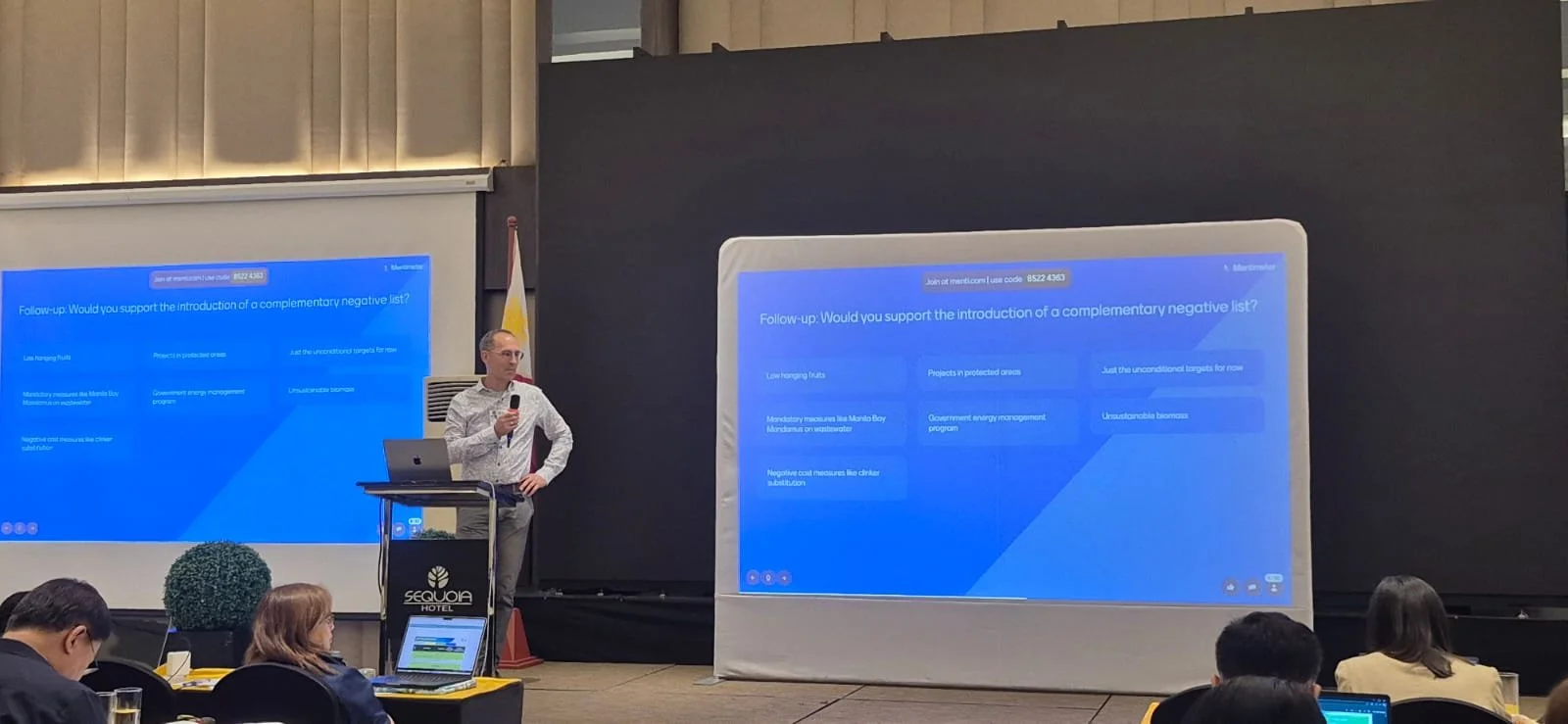
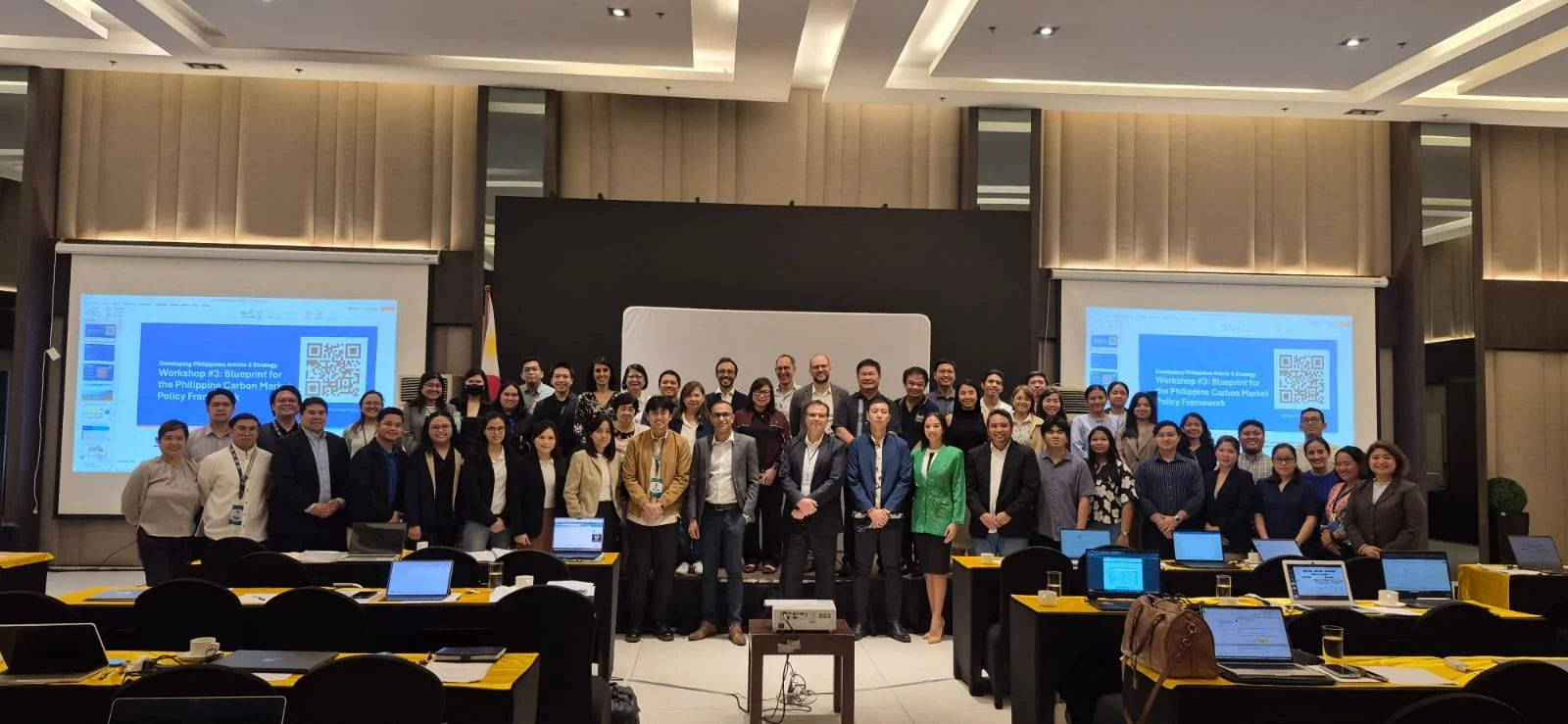
In 2025, under the Asian Development Bank's Technical Assistance programme, we continued our support to the Department of Environment and Natural Resources (DENR) in developing the Philippines' Article 6 infrastructure.
Classen also engaged in the review of another Southeast Asian country's carbon market guidelines.
Lastly, we also supported a comprehensive carbon market assessment, including the development of a roadmap, for a country in East Africa.
Supporting first BTRs
Support was provided to countries preparing their first Biennial Transparency Reports under the Enhanced Transparency Framework. For countries with authorized ITMOs from existing projects, the focus was on ensuring corresponding adjustments were properly tracked and reported in accordance with UNFCCC requirements. This work addresses a critical aspect of Article 6's accountability mechanism.
Zambia and Kenya – Sustained Engagement with CAP-A
The collaboration with the Climate Action Platform for Africa (CAP-A) and FSD Africa continued with sustained strategic engagements throughout 2025.
In Zambia, following the 2024 fact-finding mission and workshop in Lusaka, the work entered its second phase: supporting the development of benefit-sharing guidelines. This built on the groundwork laid in late 2024, with the Ministry of Green Economy and Environment moving forward to establish robust government-led carbon market oversight.
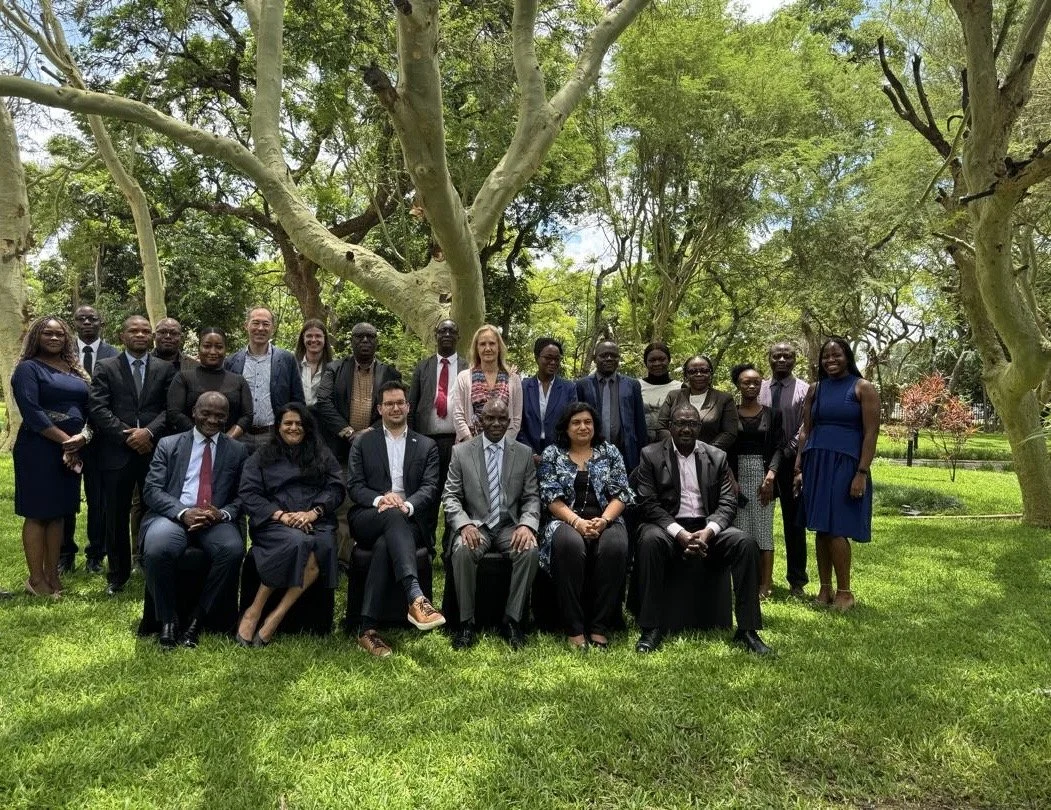
In East Africa, the focus shifted to implementation challenges through a series of policy briefs covering the linkages between BTRs and NDCs, authorisation processes, and institutional governance structures.
NDC Development - Partnership with Ampere
The partnership with Ampere involved supporting NDC development work in both Palestine and Oman.
Strategic Analysis and Regional Training – Asian Development Bank
Training on Carbon Markets under the Paris Agreement was delivered as part of the Asian Development Bank's Regional Training Program on Carbon Pricing in December, contributing to capacity building across the region. This engagement is part of a broader mandate to support ADB’s Support Facility for Article 6 of the Paris Agreement with strategic and conceptual analysis.